






Description
Background
(Approx £495.00)
Two courses in one - upper quarter level 1 and 2.
NDS courses are based on Michael Shacklock's best-selling text, Clinical Neurodynamics, have been taught to more than 10k clinicians worldwide and are considered foundational for many in the musculoskeletal field.
Michael Shacklock proposed the concept of neurodynamics in 1995 with his paper in the British journal Physiotherapy in which various scientific cornerstones formed a key aspect of clinical practice in physiotherapy and physical therapy neurodynamics practice.
This has been developed on in his book Clinical Neurodynamics, 2005, Elsevier, Oxford in which the whole body is dealt with in diagnosis and treatment of many musculoskeletal syndromes with a neural component.
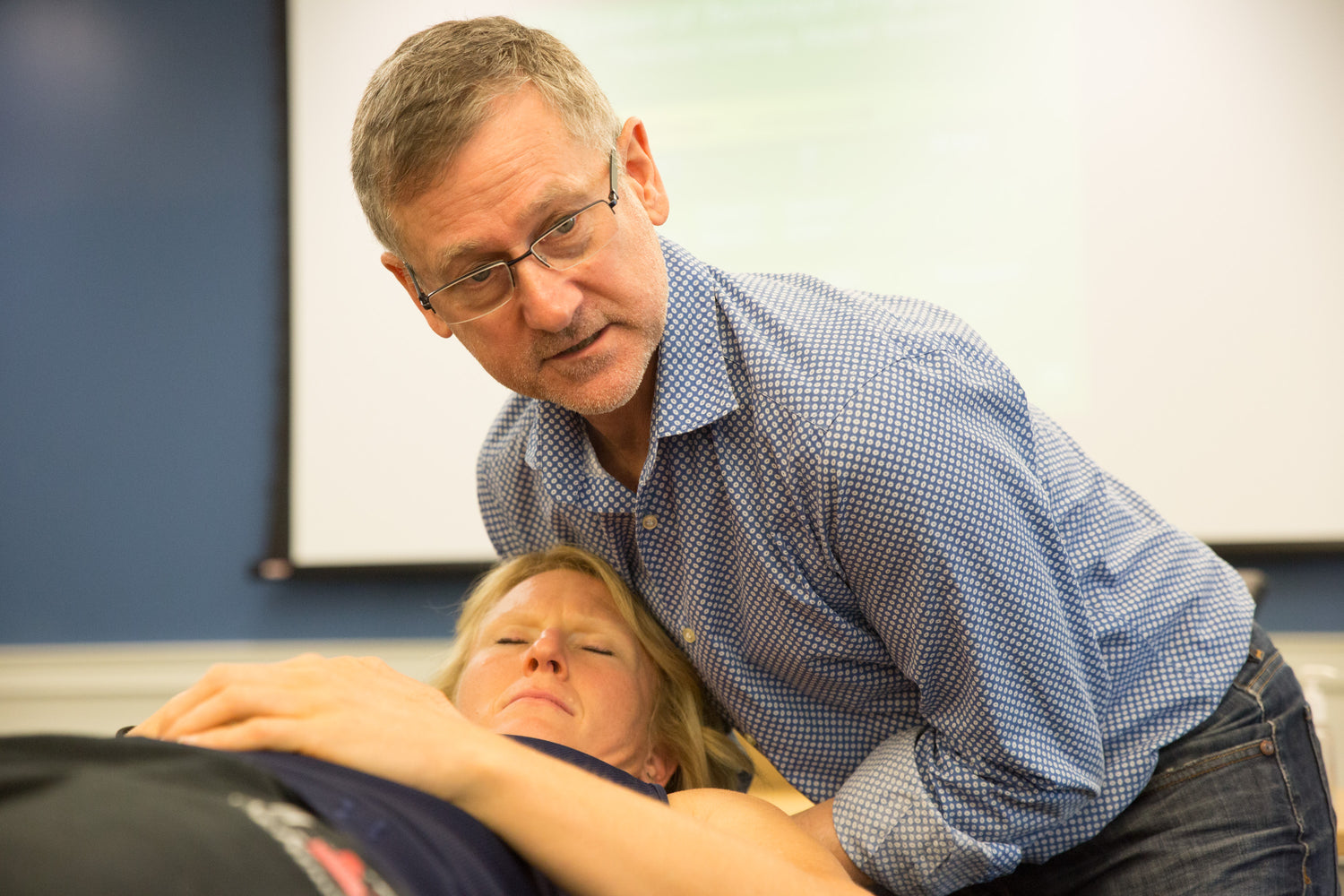
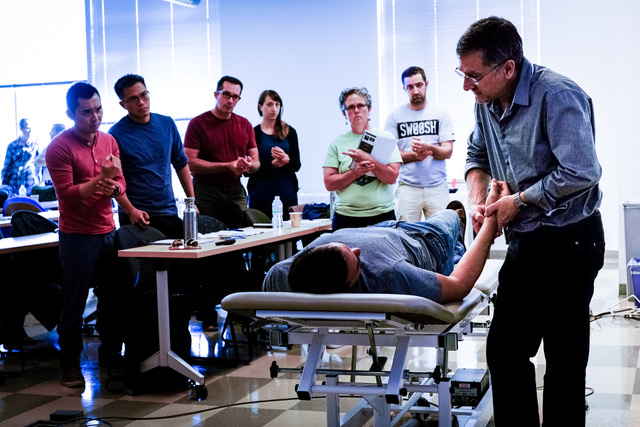
The courses by Neurodynamic Solutions are based on the philosophy of helping therapists develop their clinical skills and applying them to their patients. This course therefore contains approximately 65% practical and 35% theory.
The Clinical Neurodynamics - Lower Quarter Courses
NEW to 2026! Comprehensive Lower Quarter courses featuring all the essential content previously taught in both Level 1 and 2 courses.
Define a system of assessing peripheral nerve injuries of the lower quarter, including diagnostic categories, and clinical reasoning. After completing this course, practitioners will have improved their skills at detecting and managing the neurodynamic aspect to the following clinical conditions:
- Lumbar Radiculopathy (including Sciatica)
- Deep Gluteal / Piriformis Syndrome
- Hamstring Injury and the Sciatic Nerve
- Femoral nerve, thigh and knee pain
- Mid-Upper Lumbar Radiculopathy
- Sural at the Achilles Tendon, Ankle & Leg
- Heel Pain - Tibial and Medial Calcaneal Nerve - Tarsal Tunnel Syndrome and Digital Nerves
hybrid delivery
TWO COURSES IN ONE
In Person - 2 days (16 hours)
Online - 14 hours (self-paced ) to be completed before attending the in-person part
- You will be given access to the self-paced, online component approximately one month prior to the in-person course.
- Once you have begun the online component, there are absolutely no refunds. Transfers will be considered on a case-by-case basis.
Course Instructors
Course Highlights
TWO COURSES IN ONE!
- Lower Quarter levels 1+2
- Strong hands-on practical and discussional elements.
- Systematic treatment progressions for:
- Low back pain, sciatica and lumbosacral radiculopathy
- Mid-lumbar radiculopathy
- Deep gluteal syndrome and sciatic nerve
- Hamstring injury and sciatic nerve: integration with muscle high performance
- Femoral nerve and thigh pain
- Lateral thigh and knee pain: neuromyofascial aspects.
- Gastrocnemius and tendoachilles pain with sural nerve
- Heel and foot pain with digital nerves.
What you will learn
Here's what you learn:
- Understand how nerves move.
- Painless nerve root mobilisations.
- How to include/exclude neurodynamic disorders.
- Classify neurodynamic diagnosis.
- Technique progressions from low to high functional levels.
- How to select and perform neurodynamic techniques for your patients.
- Safety and neurodyamic contraindications.
Certification
Lower Quarter Course Outline
Highlights
- Low back pain, sciatica and lumbosacral radiculopathy
- Mid-lumbar radiculopathy
- Deep gluteal syndrome and sciatic nerve
- Hamstring injury and sciatic nerve: integration with muscle high performance
- Femoral nerve and thigh pain
- Lateral thigh and knee pain: neuromyofascial aspects.
- Gastrocnemius and tendoachilles pain with sural nerve
- Heel and foot pain with digital nerves.
Concept of Neurodynamics
- General neurodynamic principles applied to the entire body and specifically the lower quarter, including the lumbopelvic region, hip pain and piriformis syndrome, hamstring strain and neurodynamic aspect to heel pain.
- Neurodynamic sequencing - a mechanism that can be used to make neurodynamic technique more specifically than in the past.
- How to include and exclude neurodynamics.
- Bilateral and contralateral neurodynamic testing.
- Unload nerve roots for pain relief.
Neurodynamic Testing
- Straight leg raise and variations: tibial, fibular, sural
- Slump test and variations: piriformis and sciatic nerve
- Femoral slump and prone knee bend
- Variations and progressions - level 1, 2, 3a, b and c
Technique Selection
- How not to provoke pain but still treat the neurodynamic component.
- How to sensitize the examination and treatment for hidden neurodynamic problems, level 1, 2 and type 3a, 3b, 3c and 3d examinations.
Diagnosis With Neurodynamic Tests
- Differentiating neural tissue from neuromusculoskeletal tissues.
- Establishing what is normal and abnormal.
- What to do next.
Treatment Method
- System of technique progression.
- Hypersensitivity problems
- Subtle and hidden neural component and sensitised treatments.
- Directing treatment at pathophysiology.
- Progression from pathophysiology to pathomechanics.
- Neurodynamics applied to lumbar disc and intervertebral foramen biomechanics.

Palpation of the Medial Calcaneal Nerve
